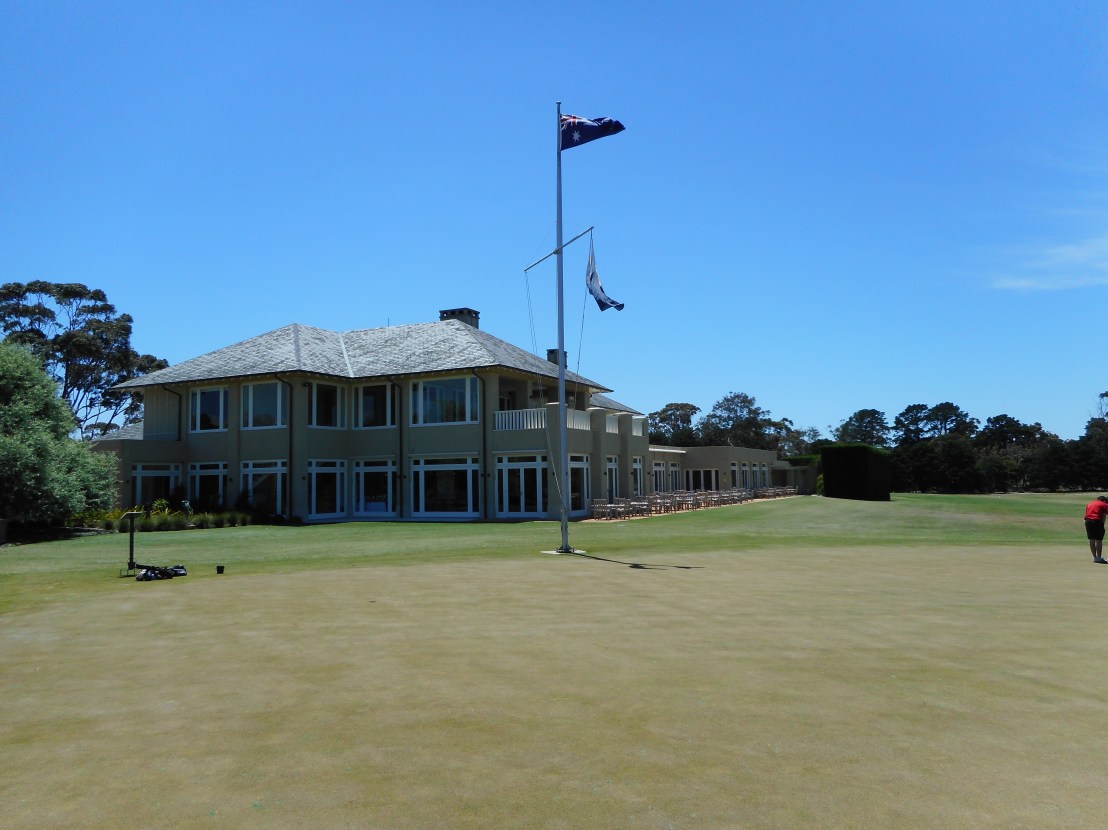
 The Clubhouse from the Putting Green
There cannot be any doubt that, for any golfer preparing for a visit to Australia that includes a visit to Royal Melbourne, that visit will be anticipated as the highlight of the visit. That wasn’t any different for me ahead of this trip. I was lucky enough that a good American friend of mine, John, had introduced me to Matt, a member at Royal Melbourne and yesterday was to be the day we played there.
Royal Melbourne has two courses, the West and East. The West is generally regarded as the superior course and is frequently ranked in the top 10 courses in the world. When professional events and major amateur events are held at Royal, a Composite Course, comprising holes from both courses (but mostly the West) is used. Most recently the President’s Cup was played there in 2011 and the Women’s Australian Open in 2012. The design of the West Course is attributed to Alistair Mackenzie, though construction was supervised by Alex Russell, an Australian professional golfer and Mick Morcom, head greenkeeper in 1931. It is widely regarded as one of the finest examples of strategic golf course design in the world. It is renowned for its firm and fast greens, which can make it extremely tricky to play, especially in wind.
I mentioned in a previous post that having been so aware of New South Wales’ drawbacks had meant that I had not concentrated on what made the course great in advance, so it far exceeded my expectations. I was just a little concerned that, being so aware of Royal Melbourne’s strengths, I may be disappointed. I was also aware that one or two people I had spoken to over the past couple of weeks had expressed the, almost heretical, opinion that, in fact, Kingston Heath was the better of the two most prestigious Sandbelt courses. How would I find Royal Melbourne?
I arrived before Matt and spent some time (and a bit of money) in the pro-shop and then went and hit a few balls and had a putt. When Matt arrived, he showed me around the clubhouse. As a club Royal Melbourne is, naturally, extremely proud both of its reputation and its history and much of this is on display in various rooms in the clubhouse. More importantly, it was really obvious to me as Matt showed me around, that this was a real club. The staff all greeted Matt by name and there was evidence in the dining room of gthe regular Thursday “wets” competition, where members meet, have a good lunch and some excellent wine and then go out and play. The club was busy and, indeed, so was the West Course. While we waited for the course to clear a bit, Matt and I went and walked round and I played some of the East Course holes, including those used in the Composite.
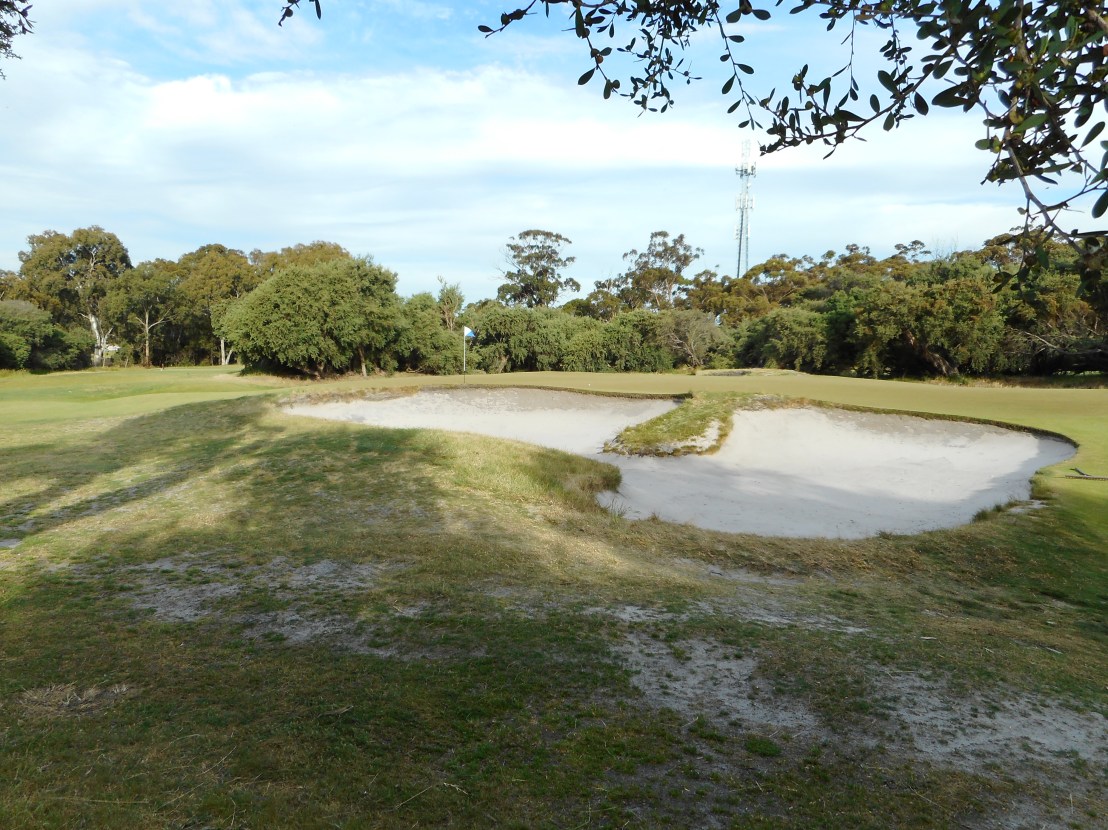
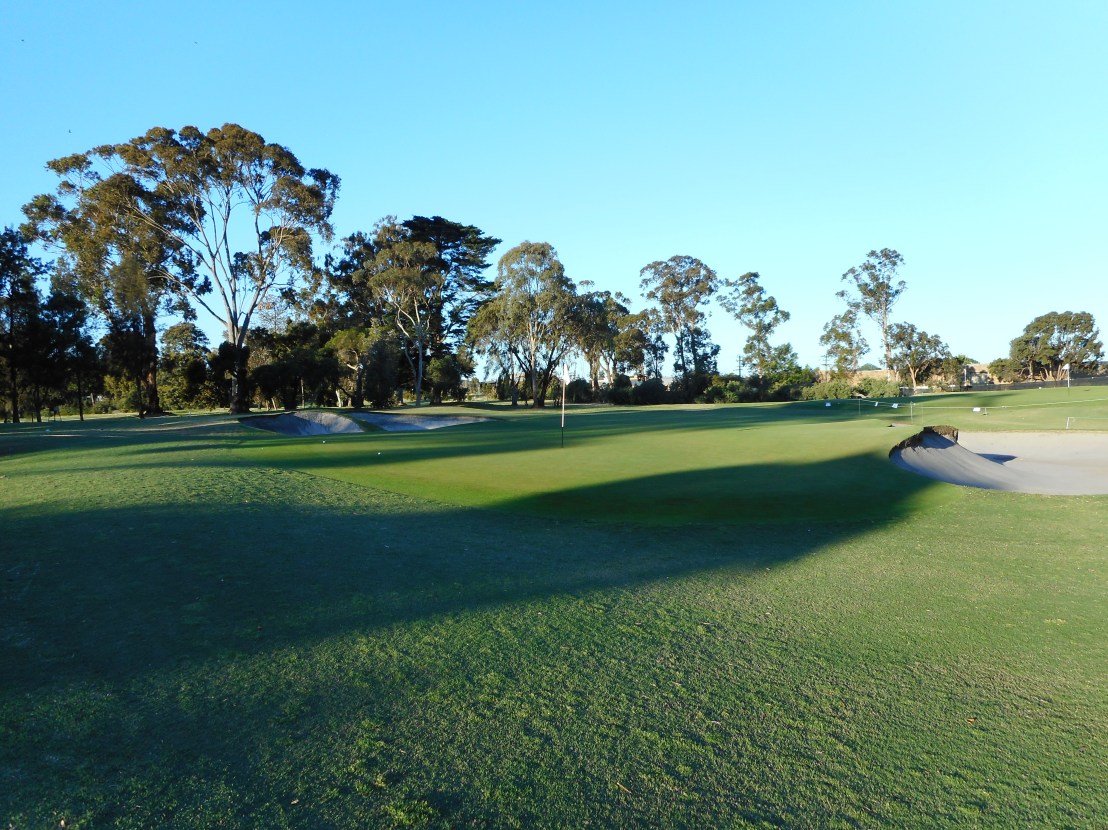
I started off striking the ball well and the strategic nature of the East became rapidly apparent. As did the difficulty of controlling the ball on these greens. After a while, we returned to the West first tee and set off. It isn’t, as I have said, my intention to turn this blog into a hole by hole analysis of golf courses. Suffice it to say, then, that RMW is as brilliantly strategic as I had hoped. On every shot, it seems, there are decisions to be made. There are hazards which, approached closely give the player an easier (sometimes much easier) next shot but if entered will likely cost a shot. Meanwhile wide fairways and large greens allow safe bail outs which leave significantly harder consequent shots. The greens require incredible precision, get out of position and holding them can be next to impossible. Leave the ball in the wrong place on the greens and two putting, whilst possible, will be extraordinarily difficult.
Melbourne had thrown up the hottest day since I arrived in Australia and I made the mistake of failing to take on enough water. I tired a bit and my golf became sloppy. Not a good recipe on a course like this. Nonetheless, RMW was a brilliant experience. One of the very best courses I have ever played. Matt is a keen botanist and, as we went round, he showed me various species of indigenous plants that the club was planting on the course. Like Kingston Heath, Royal Melbourne takes the appearance of the course and its surrounds extremely seriously.
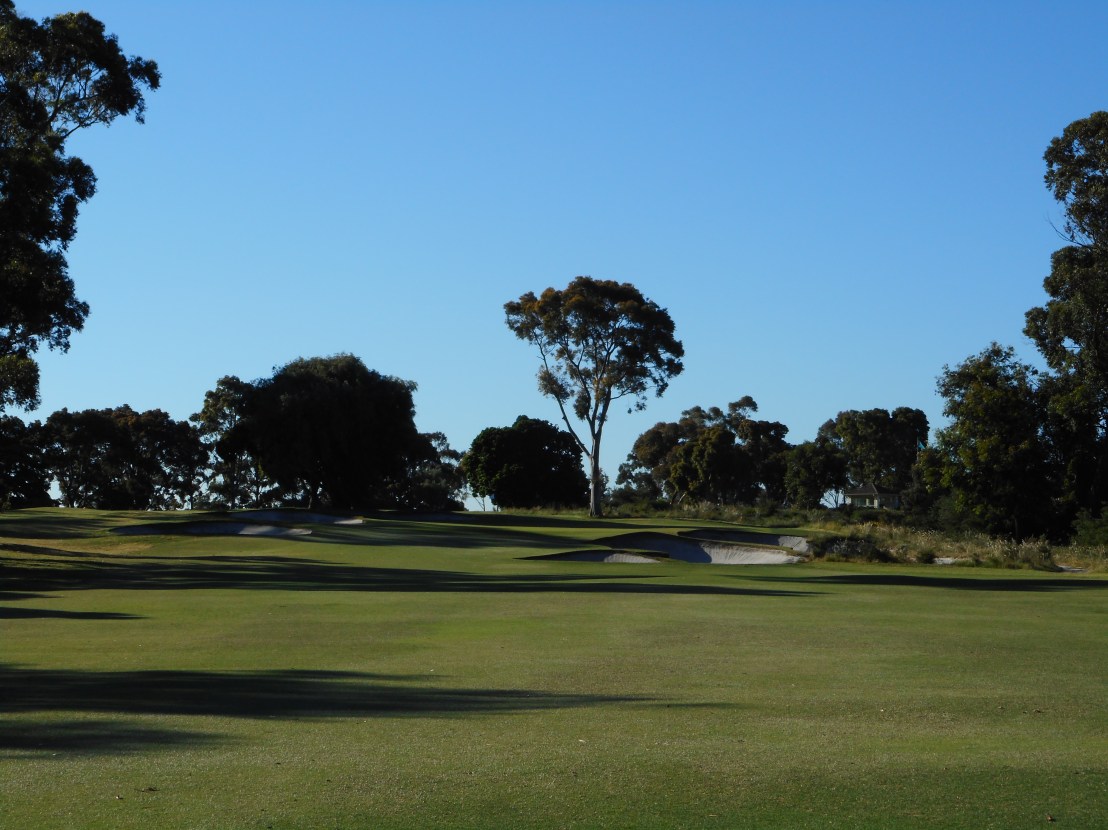
If I was to identify one flaw at RMW, it would be the grass used on the fairways. I have heard more conversations about grass species in Australia than in my entire life. In this climate, it is not enough, as we do at home, to simply leave the grass alone, perhaps fertilise it a bit and put some water on if it is getting too dry. The summer temperatures do not allow that simple approach. Royal have seeded their fairways with a species known as Legend Couch. It is broader leafed than the couch used at Kingston Heath. This means that it is thicker and slows down the bounce and roll of the ball. It also means that the beautiful tight fairway lies at KH are not replicated here, the ball sitting up just a bit more than ideal. Since Legend grabs bouncing balls, you cannot bump and run the ball in on it. To allow this to be done, a different strain is used on the aprons between fairway and green. This not only look odd but made, I found, for uncertainty in approaches from relatively short distance. I’m certain that set up like Kingston Heath, RMW would be even better than it is now.
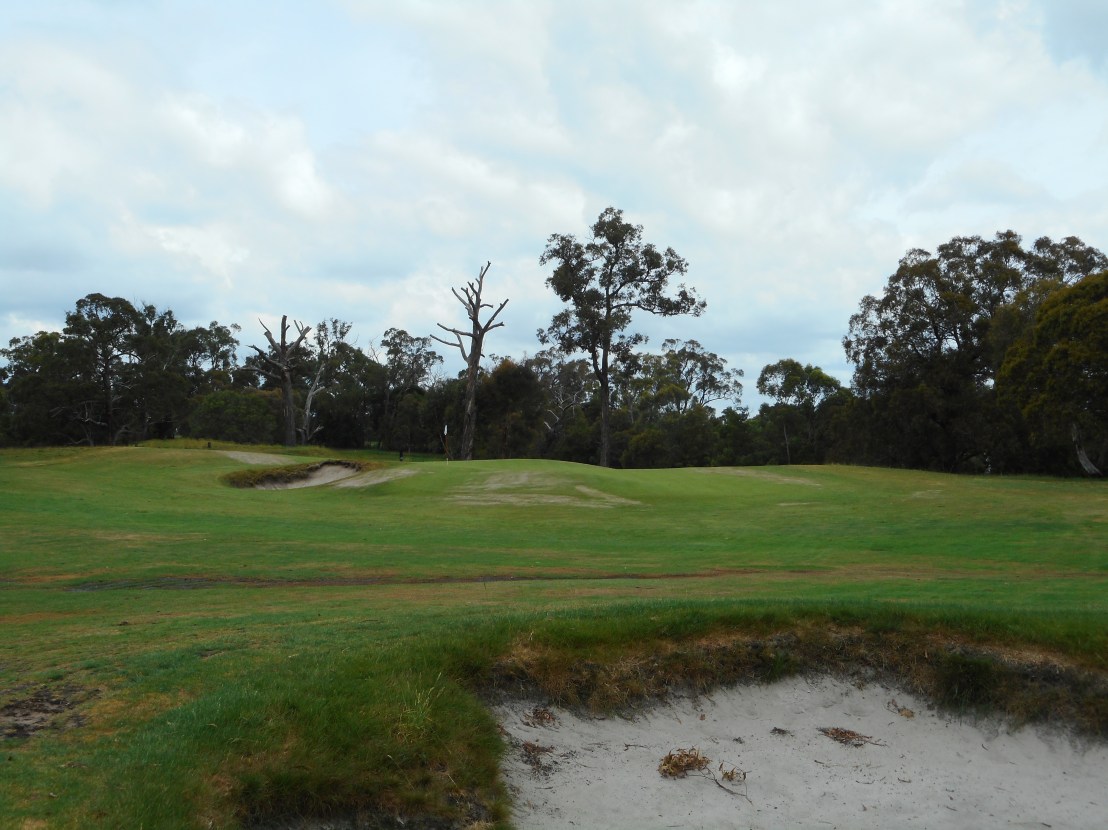
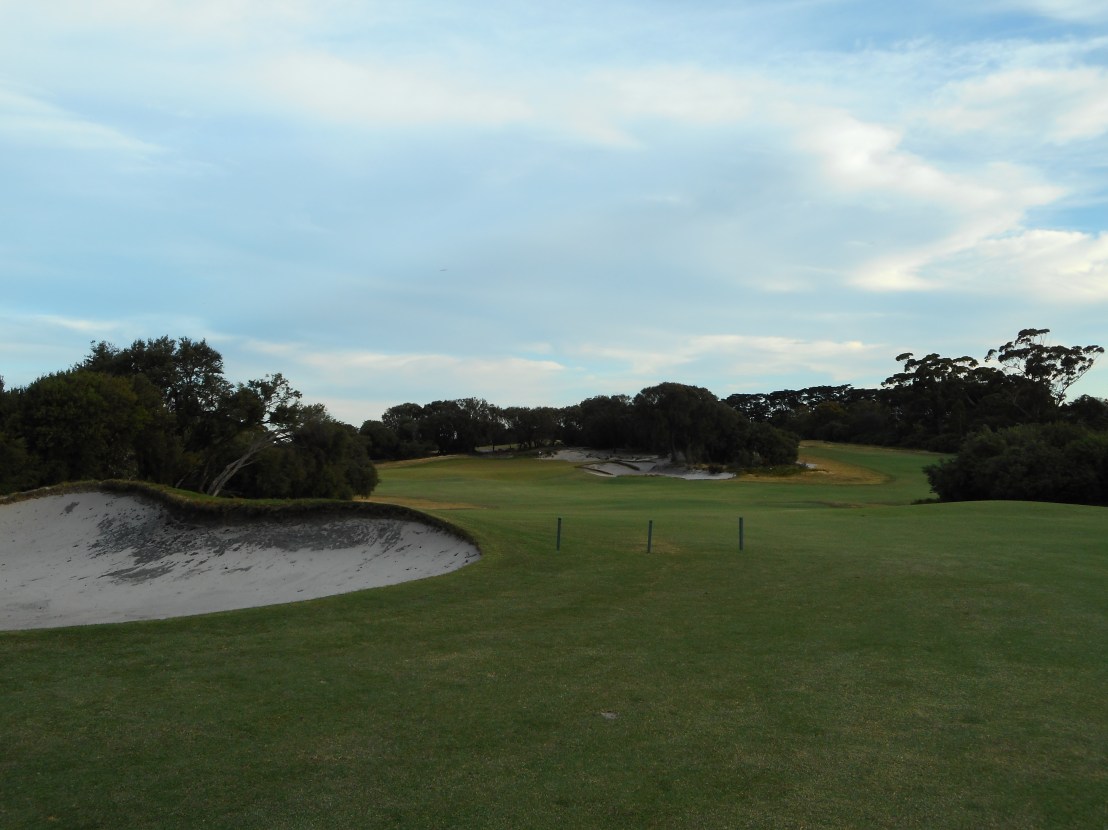 One great aspect of all the Sandbelt courses so far has been the way bunkers have sharp edges with the green or fairway, with no collar of longer grass. That sharp boundary contrasts neatly with the way bunkers transition easily from bunker into sandy waste into waste area.
I feel privileged to have played RMW which is, without doubt, one of the greatest courses I have played. It is, I think, the best of the courses I have played here so far though in saying that, I’m surprised by how close Kingston Heath comes to being its equal.

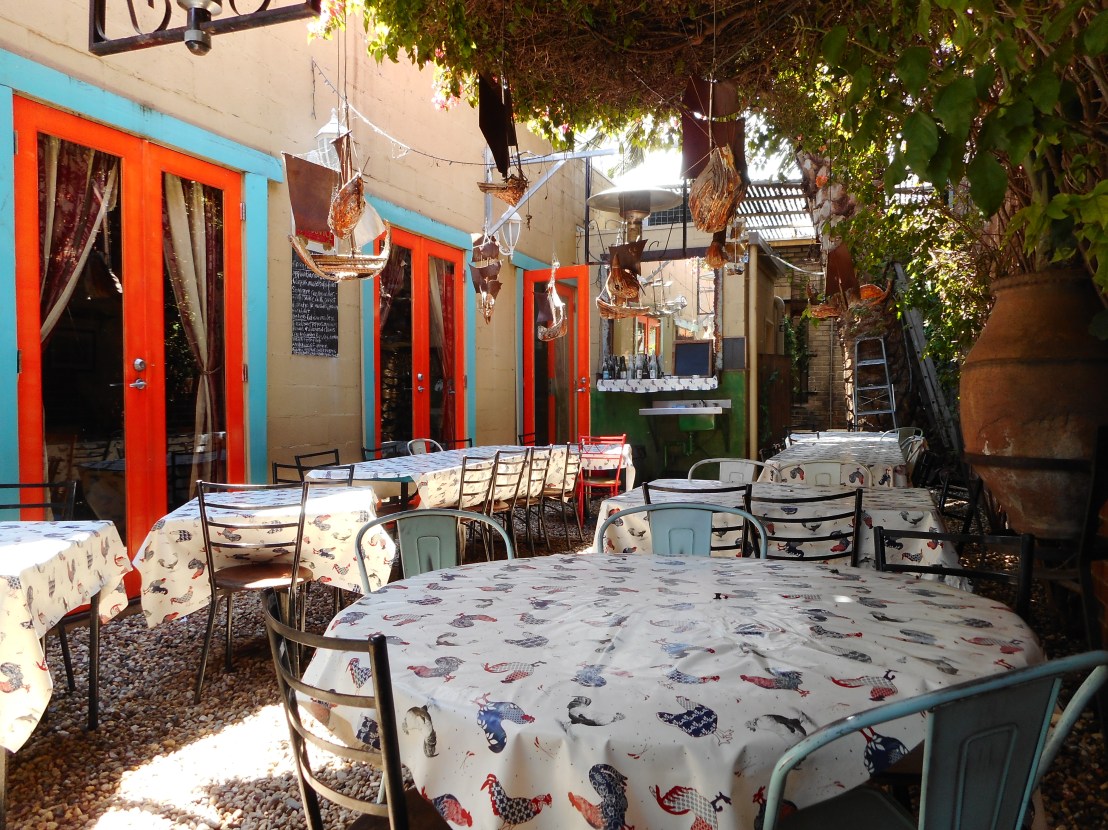
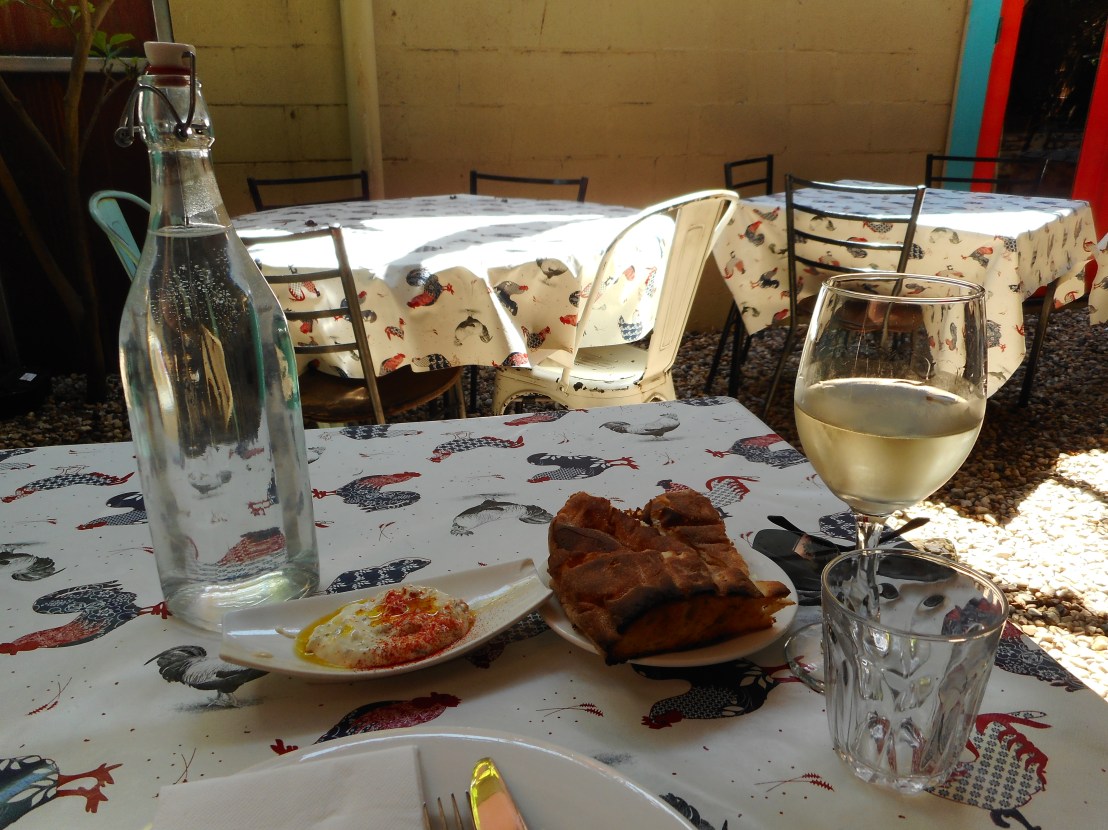
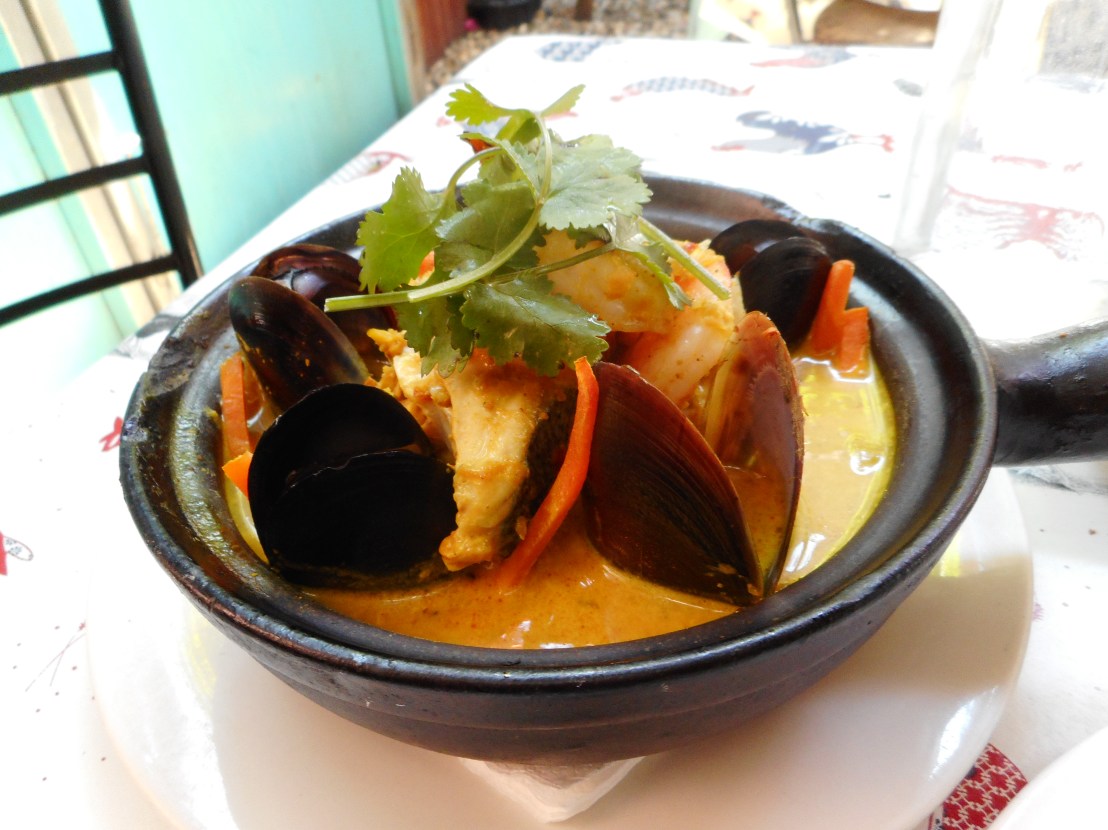 Delicious and, at $43 for the food and two glasses of good wine (a glass of very good Chardonnay from the Mornington Peninsula went really well with the claypot) possibly the best value meal I have had in Australia.

 A Golfing Sabbatical in Australia